Brand experience
What changes when a pop-up includes a workshop?
A workshop can take visitors from looking at a product to actively participating. It also introduces demands on time, space, materials and people. Begin with what the visitor should take away, then translate the experience into practical arrangements.
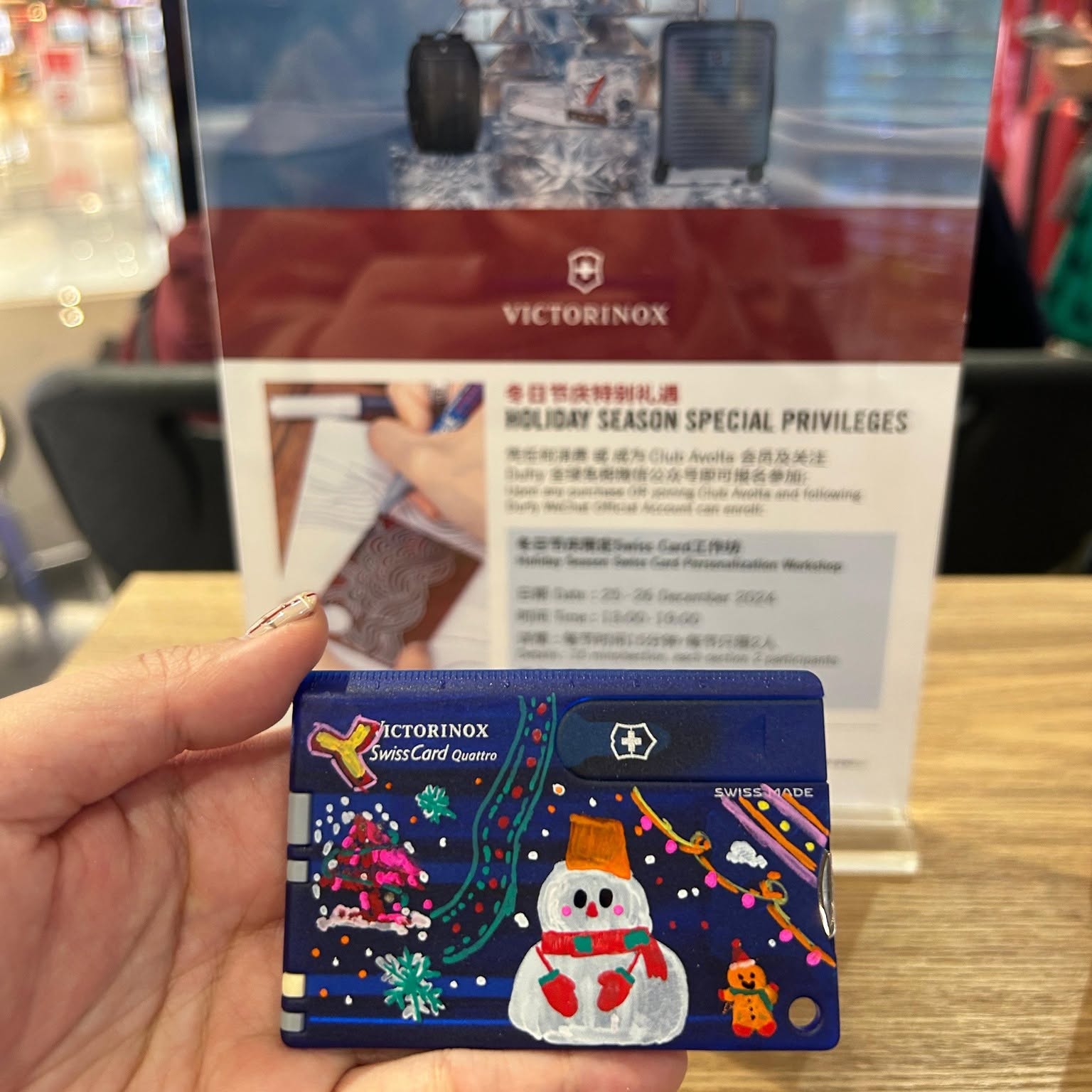
Distinguish the display period from workshop dates
A display may remain for weeks while a workshop runs only on selected days. Those formats can complement each other, but their timing needs to remain clear in both promotion and operations.
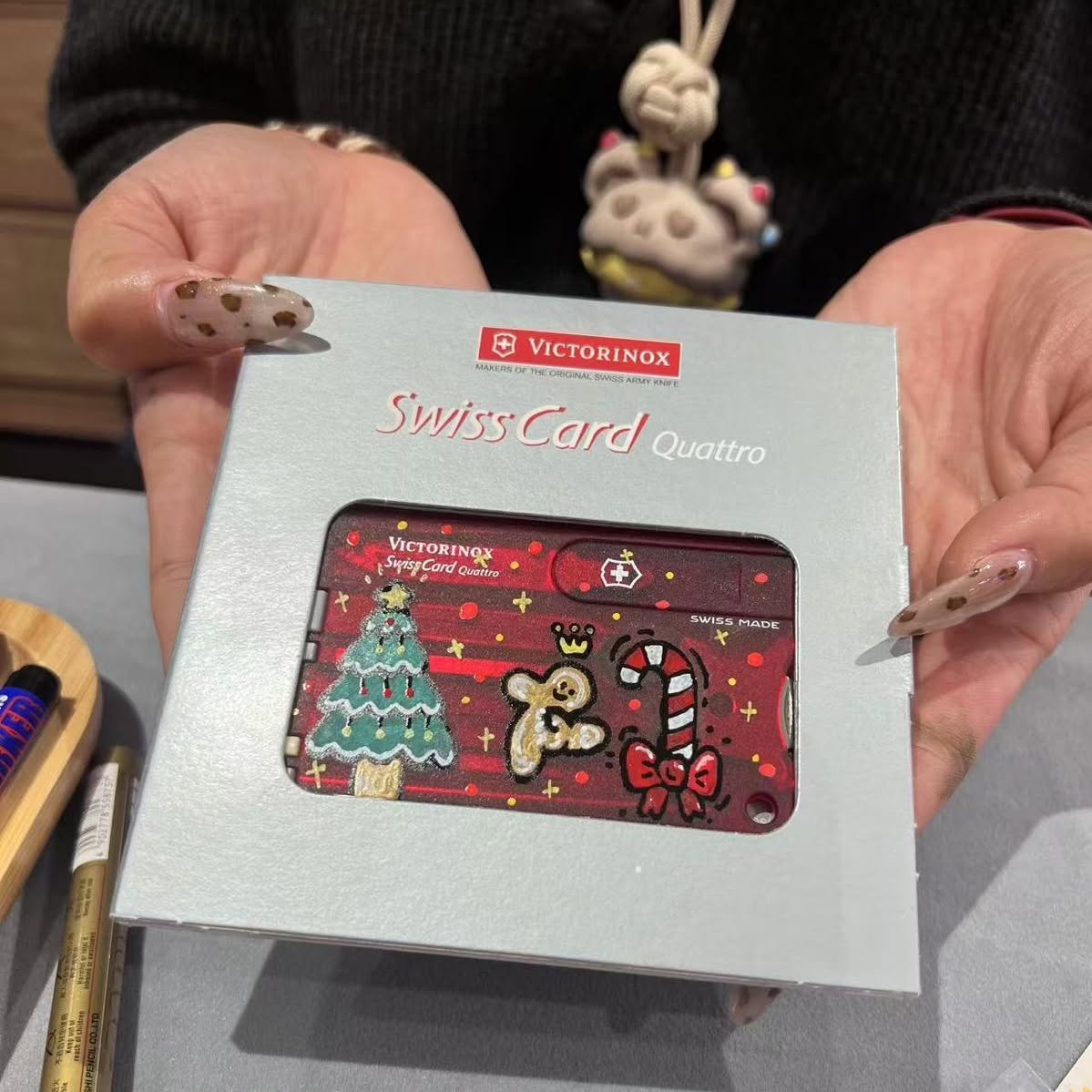
Victorinox’s display at The Atrium, The Venetian Macao ran for a month, with Swiss Card workshops on Christmas Day and Boxing Day. L Concept coordinated venue liaison, design and production, workshop arrangements and on-site management.
Define what visitors complete before choosing the format
An activity may involve making, decorating, assembling or experiencing something. First map the starting point, main steps and moment of completion, then consider instructors and materials.
The useful brand question is how participation connects someone with the product or story. An activity gains relevance through a clear relationship between its materials, actions, outcome and brand theme.
Map the space as a complete journey
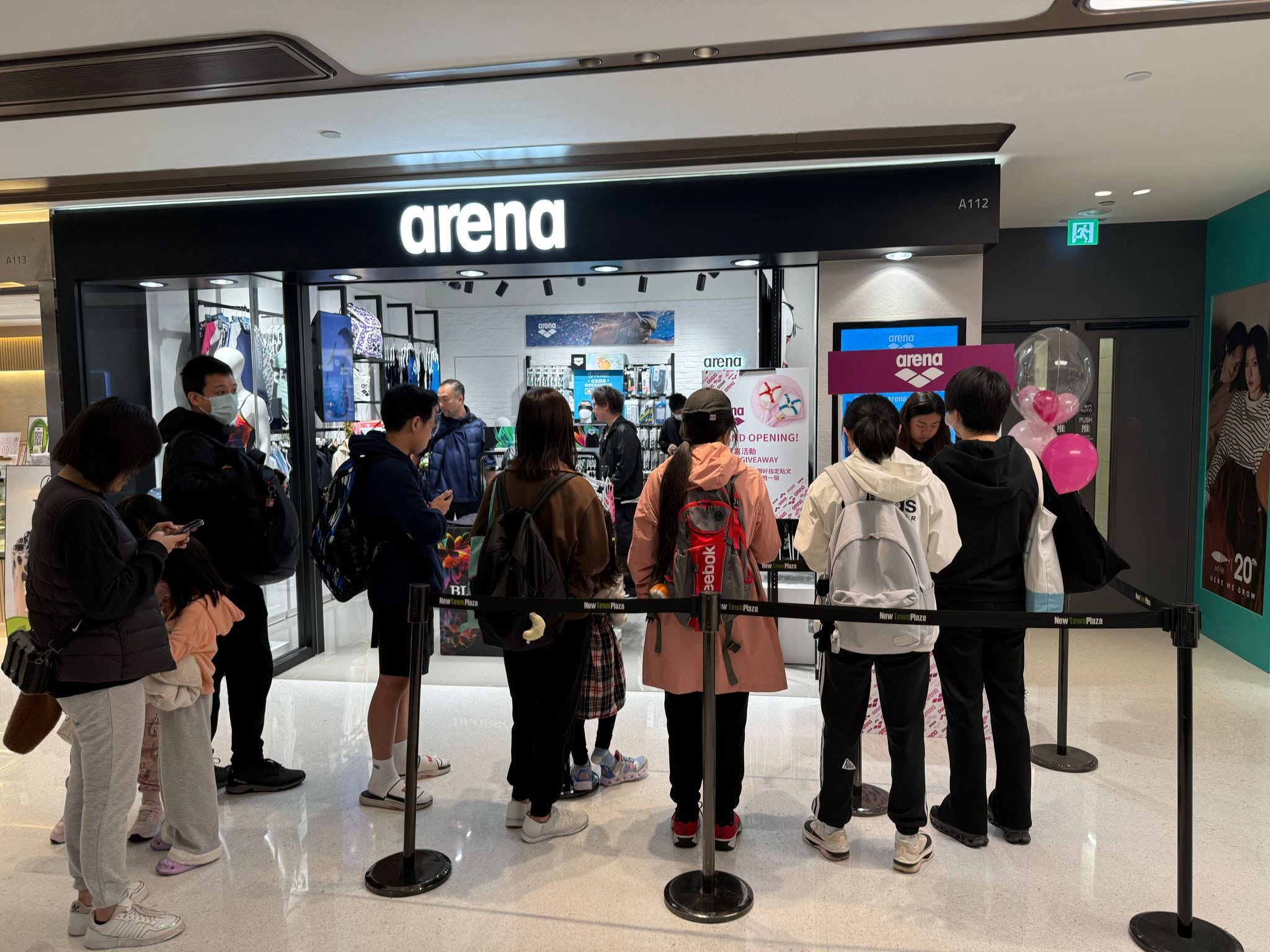
Alongside display space, consider waiting, explanation, hands-on work, material replenishment and departure. Each step affects whether other visitors can continue to view the display.
Layout and production discussions can examine work surfaces, instructor positions and circulation together. Multiple sessions also need time for resetting and replenishment, beyond the duration of the activity itself.
Give instructors and the floor team a shared plan
Instructors need the activity objective, participant level and expected outcome. The floor team needs arrival, waiting, materials and departure arrangements. Confirming those details together creates a shared reference.
Calculate materials from confirmed capacity, sessions and usage, then discuss a suitable reserve. If walk-ins are allowed, explain capacity and admission clearly so visitors and staff have consistent expectations.
Keep records that help improve the experience
Bookings, attendance, completion, common questions and operational observations can help the team understand the participation journey and identify steps worth changing.
If photographs will become social content, discuss the photography and use arrangements in advance and communicate them to participants. Planning content alongside the activity helps reserve appropriate moments for photography.
Include these details in the production brief
- Display and workshop dates
- Participant steps, outcome and brand connection
- Capacity, sessions, activity and reset time
- Instructor roles, materials and space
- Arrival, visitor flow and image-use arrangements
A distinctive workshop can begin with a clear interaction idea. Turning it into steps, positions and responsibilities makes that idea possible to experience in a real venue.
This article draws on published project work to discuss general planning considerations. Actual arrangements depend on the brand objective, venue and budget.